

MAXX Potential

How to Increase IT Capacity Without Hiring More Staff

Why Smart Leaders Focus on Output, Not Headcount

By MAXX Potential

Companies that are growing rarely have an IT headcount problem. What they have is an output problem.

CTOs and COOs feel it when delivery slows, backlogs grow, and senior staff spend more time unblocking work than shipping it. The instinct is to hire more people. More hands, more work completed, right? Here’s the thing: adding headcount often drives up costs and risk faster than it actually speeds up results.

The real question isn’t how many people are on the team. It’s how much usable capacity the team can produce right now. And learning how to build IT capacity without overhiring starts with understanding that headcount and output aren’t the same thing at all.

Key Takeaways

  • Hiring more IT staff does not guarantee better output; ramp-up time and coordination of overhead often slow teams down. Analyze the team’s bottlenecks first.
  • IT capacity and headcount are not interchangeable, and output scales through smart leverage, not titles. Scale your output by matching the complexity of the task to the right tier of talent.
  • Apprentice teams deliver immediate capacity at lower cost, closing skill gaps and freeing senior engineers without adding permanent headcount.
  • Strong teams build capability and smooth execution flow before committing to long-term headcount.

Why Capacity Is Your Competitive Advantage

Adding people feels decisive and proactive. It is also one of the slowest ways to increase output. This 2018 research revealed that almost 30% of job seekers leave a job within the first 90 days of starting.

Every new hire introduces ramp-up time. Even talented engineers need context, system access, and guidance to become productive. That guidance almost always comes from the same senior people who are already stretched thin. For weeks or months, your most valuable contributors do less real work so others can learn the ropes. On average, entry-level roles take 1 to 3 months to reach full productivity.

Over time, leadership attention shifts away from delivery and toward management. You spend more time on reviews, prioritization meetings, and handoffs than on actual progress. The org chart gets bigger, but the team doesn’t get faster.

Why doesn’t adding more IT staff increase output? These underlying dynamics create drag that overwhelms the benefit of additional hands.

Here are the signs that hiring more people is probably the wrong move right now:

  • Your work demand is inconsistent or comes in unpredictable bursts.
  • Core systems and processes aren’t well documented yet.
  • Senior engineers are already overloaded and context-switching constantly.
  • The business needs results this quarter, not six months from now.

In these situations, hiring increases risk without solving your actual capacity constraint.

How To Increase Output Without Permanent Hires

What are alternatives to increasing headcount? The answer lies in leverage, not just bodies.

Clear processes remove friction and let teams scale their workflows. When work intake is well-defined and priorities are explicit, you waste fewer cycles on rework and endless debates. Automation eliminates repetitive grunt work and frees people to focus on higher-value problems. Most importantly, your senior talent is able to execute deliberately and isn’t spread paper-thin across every little detail.

How can IT teams scale output quickly? The fastest gains come from amplifying what your best people already know. When experienced operators design the work and set the standards, more execution can happen safely without sacrificing quality. Your capacity grows because senior thinking gets extended and multiplied, not because you’ve added more people operating at the same level.

This is one of the core IT team scaling strategies that actually works.

The Apprentice-Supported Delivery Model

What is an apprentice-supported delivery model? Picture this: senior operators stay accountable for outcomes; they design solutions, make key decisions, and review the work while Apprentices operate inside that well-defined structure, extending execution capacity, providing coverage, and ensuring continuity.

At MAXX Potential Apprentices are guided by seasoned mentors and managers, and immersed in a collaborative culture dedicated to continuous learning and growth. This means that our apprentice-supported delivery model comes with the knowledge and experience of professionals who ensure every deliverable meets enterprise standards before it ever reaches your desk. It’s peace of mind.

The model works because quality stays protected through review loops and shared context. Knowledge compounds over time instead of resetting with every new hire. Velocity increases without the long-term commitment and risk of permanent headcount.

The result is a delivery engine that offers the best of both worlds: the cost-efficiency, and agility of an apprentice model, backed by the security of expert-led oversight. Our Customers win by capturing high-velocity output without sacrificing architectural integrity. Because our Principal Technologists and Solutions Architects stay deeply embedded in the work, you receive the peace of mind that comes with senior-level precision, while your budget benefits from a high-capacity execution team. It’s not just about doing more work. It’s about scaling your impact with a built-in guarantee of excellence.

What to Look for in a Capacity Partner

A common question is “what should I look for in a capacity partner?” A strong partner takes responsibility for outcomes, not just activity. They have explicit review practices that protect quality without becoming a bottleneck. They document work thoroughly so knowledge stays with your organization, not locked inside individual contributors’ heads.

Stability matters too. When should a company avoid hiring more? Often, it’s when you need short-term IT capacity solutions that let you test demand before committing. When people and context compound over time within a flexible model, output increases. If a team rotates, you want the capacity and output to still meet your desired metric.

A Simple Decision Checklist

How do I know if I should hire more people or look for other ways to increase capacity? Before you post that job description, pause and ask a few direct questions:

  • Do we need output now rather than after a long ramp-up period?
  • Are we honestly uncertain of what specific role we’d even hire for?
  • Is headcount constrained by budget, risk, or timing?

If you answered yes to these, increasing IT capacity through flexible models before adding permanent headcount is usually the safer, smarter move.

Final Thought: Capacity Should Scale Before Headcount

How does leadership scale teams without overcommitting? By recognizing that capacity should scale before headcount does.

Organizations that keep learning, execution, and hiring as disconnected processes tend to move slower and pay more for the same results. Teams that design for leverage from the start deliver sooner and with significantly less risk.

If your goal is real output—the kind that moves needles and ships features—start with capacity.

While many businesses explore flexible IT staffing models, they often find our unique approach is a better way to grow naturally, protect quality through smart structure, and achieve true IT workforce scalability without being locked into rigid commitments.

If you’re curious whether there’s a better path forward than another job posting, we’d be happy to talk through what capacity-first approaches might look like for your specific situation. No pressure—just a conversation about what might actually work.

Because at the end of the day, IT capacity planning for growth isn’t about filling seats. It’s about building momentum.

FAQs

Why doesn’t adding more IT staff increase output?

Because ramp time, knowledge fragmentation, and management overhead slow delivery before new hires contribute. Output often drops before it rises.

What’s the difference between IT capacity and headcount?

Headcount measures people. IT capacity measures usable output. Capacity reflects process clarity, senior leverage, and execution flow, not team size.

When should a company avoid hiring more IT staff?

When work is uneven, systems lack documentation, senior staff are overloaded, or results are needed this quarter rather than next year.

How can IT teams scale output quickly without hiring?

By improving work intake, clarifying processes, using automation, and extending senior operators with apprentice-supported delivery models.

MORE POSTS

Why Smart Leaders Focus on Output, Not Headcount

The Invisible Drag: Why Your Team Works Hard but Can’t Get Ahead

By MAXX PotentialWhen Brad decided to build his career in IT, he knew he needed a blueprint. What he didn’t know was that his journey

How to Increase IT Capacity Without Hiring More Staff

Why Smart Leaders Focus on Output, Not Headcount

By MAXX Potential

Companies that are growing rarely have an IT headcount problem. What they have is an output problem.

CTOs and COOs feel it when delivery slows, backlogs grow, and senior staff spend more time unblocking work than shipping it. The instinct is to hire more people. More hands, more work completed, right? Here’s the thing: adding headcount often drives up costs and risk faster than it actually speeds up results.

The real question isn’t how many people are on the team. It’s how much usable capacity the team can produce right now. And learning how to build IT capacity without overhiring starts with understanding that headcount and output aren’t the same thing at all.

Key Takeaways

  • Hiring more IT staff does not guarantee better output; ramp-up time and coordination of overhead often slow teams down. Analyze the team’s bottlenecks first.
  • IT capacity and headcount are not interchangeable, and output scales through smart leverage, not titles. Scale your output by matching the complexity of the task to the right tier of talent.
  • Apprentice teams deliver immediate capacity at lower cost, closing skill gaps and freeing senior engineers without adding permanent headcount.
  • Strong teams build capability and smooth execution flow before committing to long-term headcount.

Why Capacity Is Your Competitive Advantage

Adding people feels decisive and proactive. It is also one of the slowest ways to increase output. This 2018 research revealed that almost 30% of job seekers leave a job within the first 90 days of starting.

Every new hire introduces ramp-up time. Even talented engineers need context, system access, and guidance to become productive. That guidance almost always comes from the same senior people who are already stretched thin. For weeks or months, your most valuable contributors do less real work so others can learn the ropes. On average, entry-level roles take 1 to 3 months to reach full productivity.

Over time, leadership attention shifts away from delivery and toward management. You spend more time on reviews, prioritization meetings, and handoffs than on actual progress. The org chart gets bigger, but the team doesn’t get faster.

Why doesn’t adding more IT staff increase output? These underlying dynamics create drag that overwhelms the benefit of additional hands.

Here are the signs that hiring more people is probably the wrong move right now:

  • Your work demand is inconsistent or comes in unpredictable bursts.
  • Core systems and processes aren’t well documented yet.
  • Senior engineers are already overloaded and context-switching constantly.
  • The business needs results this quarter, not six months from now.

In these situations, hiring increases risk without solving your actual capacity constraint.

How To Increase Output Without Permanent Hires

What are alternatives to increasing headcount? The answer lies in leverage, not just bodies.

Clear processes remove friction and let teams scale their workflows. When work intake is well-defined and priorities are explicit, you waste fewer cycles on rework and endless debates. Automation eliminates repetitive grunt work and frees people to focus on higher-value problems. Most importantly, your senior talent is able to execute deliberately and isn’t spread paper-thin across every little detail.

How can IT teams scale output quickly? The fastest gains come from amplifying what your best people already know. When experienced operators design the work and set the standards, more execution can happen safely without sacrificing quality. Your capacity grows because senior thinking gets extended and multiplied, not because you’ve added more people operating at the same level.

This is one of the core IT team scaling strategies that actually works.

The Apprentice-Supported Delivery Model

What is an apprentice-supported delivery model? Picture this: senior operators stay accountable for outcomes; they design solutions, make key decisions, and review the work while Apprentices operate inside that well-defined structure, extending execution capacity, providing coverage, and ensuring continuity.

At MAXX Potential Apprentices are guided by seasoned mentors and managers, and immersed in a collaborative culture dedicated to continuous learning and growth. This means that our apprentice-supported delivery model comes with the knowledge and experience of professionals who ensure every deliverable meets enterprise standards before it ever reaches your desk. It’s peace of mind.

The model works because quality stays protected through review loops and shared context. Knowledge compounds over time instead of resetting with every new hire. Velocity increases without the long-term commitment and risk of permanent headcount.

The result is a delivery engine that offers the best of both worlds: the cost-efficiency, and agility of an apprentice model, backed by the security of expert-led oversight. Our Customers win by capturing high-velocity output without sacrificing architectural integrity. Because our Principal Technologists and Solutions Architects stay deeply embedded in the work, you receive the peace of mind that comes with senior-level precision, while your budget benefits from a high-capacity execution team. It’s not just about doing more work. It’s about scaling your impact with a built-in guarantee of excellence.

What to Look for in a Capacity Partner

A common question is “what should I look for in a capacity partner?” A strong partner takes responsibility for outcomes, not just activity. They have explicit review practices that protect quality without becoming a bottleneck. They document work thoroughly so knowledge stays with your organization, not locked inside individual contributors’ heads.

Stability matters too. When should a company avoid hiring more? Often, it’s when you need short-term IT capacity solutions that let you test demand before committing. When people and context compound over time within a flexible model, output increases. If a team rotates, you want the capacity and output to still meet your desired metric.

A Simple Decision Checklist

How do I know if I should hire more people or look for other ways to increase capacity? Before you post that job description, pause and ask a few direct questions:

  • Do we need output now rather than after a long ramp-up period?
  • Are we honestly uncertain of what specific role we’d even hire for?
  • Is headcount constrained by budget, risk, or timing?

If you answered yes to these, increasing IT capacity through flexible models before adding permanent headcount is usually the safer, smarter move.

Final Thought: Capacity Should Scale Before Headcount

How does leadership scale teams without overcommitting? By recognizing that capacity should scale before headcount does.

Organizations that keep learning, execution, and hiring as disconnected processes tend to move slower and pay more for the same results. Teams that design for leverage from the start deliver sooner and with significantly less risk.

If your goal is real output—the kind that moves needles and ships features—start with capacity.

While many businesses explore flexible IT staffing models, they often find our unique approach is a better way to grow naturally, protect quality through smart structure, and achieve true IT workforce scalability without being locked into rigid commitments.

If you’re curious whether there’s a better path forward than another job posting, we’d be happy to talk through what capacity-first approaches might look like for your specific situation. No pressure—just a conversation about what might actually work.

Because at the end of the day, IT capacity planning for growth isn’t about filling seats. It’s about building momentum.

FAQs

Why doesn’t adding more IT staff increase output?

Because ramp time, knowledge fragmentation, and management overhead slow delivery before new hires contribute. Output often drops before it rises.

What’s the difference between IT capacity and headcount?

Headcount measures people. IT capacity measures usable output. Capacity reflects process clarity, senior leverage, and execution flow, not team size.

When should a company avoid hiring more IT staff?

When work is uneven, systems lack documentation, senior staff are overloaded, or results are needed this quarter rather than next year.

How can IT teams scale output quickly without hiring?

By improving work intake, clarifying processes, using automation, and extending senior operators with apprentice-supported delivery models.

MORE POSTS

Why Smart Leaders Focus on Output, Not Headcount

The Invisible Drag: Why Your Team Works Hard but Can’t Get Ahead

By MAXX Potential When Brad decided to build his career in IT, he knew he needed a blueprint. What he didn’t know was that his

How to Diversify my IT Team

Unlocking the Potential of Diversity to Drive Tech Innovation

By MAXX Potential

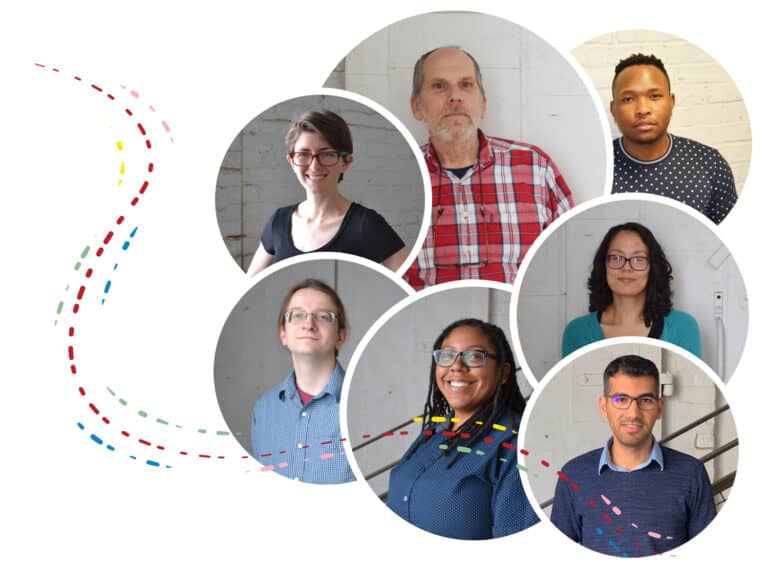
Are you ready to drive innovation through diversity in your IT team? Diversity in tech is the key to unlocking untapped ideas and enhancing problem-solving capabilities.

In today’s fast-paced world, prioritizing diversity within your company benefits your entire organization from profitability to out-of-the-box solutions. Developing a diverse tech team requires consideration to celebrating employee diversity and recognizing potential cultural communication barriers.

What Does Tech Diversity Look Like

A diverse IT team brings together individuals from various backgrounds, experiences, and perspectives. This diversity of thought allows for a more comprehensive approach to problem-solving, as different viewpoints can lead to creative solutions that may have otherwise been overlooked.

Diversity in the IT industry has been shown to increase profitability and revenue. A study conducted by McKinsey found that companies with diverse executive teams have a 25% higher likelihood of experiencing above-average profitability. Diverse teams have a wider range of skills and insights, enabling better connection with unique customer bases to drive business growth.

By embracing diversity in tech, companies can ignite innovation and position themselves for success.

5 Practical Steps to Diversify Your IT Team

To achieve diversity in tech and reap the benefits, your company needs more than to just hire people from all backgrounds and demographics. The point is to have a team that works well together, and that means developing a space where every voice is heard and barriers are mitigated.

Curate a Safe Space for Ideas

Psychological safety opens the doors to untapped ideas that can shape the future of technology. It encourages individuals to challenge the status quo, think outside the box, and push boundaries. By embracing diverse perspectives in the brainstorming process, companies can harness the full potential of their IT team and drive innovation forward.

Another mentality that can help companies with diverse teams win is promoting the concept that the “best idea at the table wins.” Expertise takes a backseat to creativity. This collaborative culture gives every voice equal weight during a brainstorming phase.

Celebrate Employee Diversity

Creating a diverse and inclusive team is not just about ticking boxes or meeting quotas; it’s about celebrating the vibrant tapestry of talent and perspectives that each individual brings. In the world of diversity in tech, embracing employee diversity and encouraging everyone to bring their whole selves to work changes problem solving in beneficial ways.

By valuing and recognizing employee contributions, we create an environment where everyone feels seen, heard, and empowered to make a difference.

Identify and Solve Communication Barriers

In the book Outliers by Max Gladwell, he shares a story of how cultural backgrounds and communication norms caused plane crashes. Communication matters. When multiple people from different cultures, societies, and backgrounds work together, they may all be talking, but they are likely relying on different norms.

Diverse people create diverse solutions, so to work together, companies must identify and address any barriers that inhibit actual understanding between parties. This could mean providing resources and support for individuals who might have language differences, and it also may mean developing a script for passing information between coworkers.

Develop Clear Work Expectations and Flexible Arrangements

Setting clear work expectations and boundaries can help ensure that everyone on the team feels respected and included. This includes understanding and accommodating diverse cultural practices and allowing for flexible work arrangements when possible. When employees and managers are clear on work goals and measurements, everyone succeeds.

By establishing consistent practices and expectations, diversity in tech can thrive as each individual is given an equal chance to contribute, regardless of their position or background. This mitigates power imbalances and ensures equitable opportunities for all team members. 

Build External Partnerships and Networks

Building external partnerships and a diverse tech talent pipeline expands your connection to communities and resources outside of your company. External partnerships allow you to collaborate with organizations that are committed to promoting diversity and inclusion in the tech industry. Access mentorship programs, workshops, and events that focus on increasing diversity in tech.

Networking with diverse individuals and communities can also help you build a more inclusive IT team. By reaching out to underrepresented groups, attending industry conferences and events, and actively engaging with diverse communities, you interact with talented individuals who may bring unique perspectives and skills to your team.

Diversify Your Tech Team with a MAXX Potential Partnership

At MAXX Potential, we believe in the power of diversity in tech. We understand that by partnering with organizations like ours, you can take a significant step towards creating an inclusive and innovative IT team. Our mission is to support businesses in diversifying their tech workforce and reaping the benefits that come with it.

Don’t miss out on the opportunity to partner with MAXX and take your IT team to new heights of diversity and success. Together, we can create a future where inclusivity is the driving force behind innovation in the tech industry.

Ready to partner with MAXX Potential? Reach out today at MAXXpotential.com/contact.

MORE POSTS

Why Smart Leaders Focus on Output, Not Headcount

The Invisible Drag: Why Your Team Works Hard but Can’t Get Ahead

By MAXX Potential When Brad decided to build his career in IT, he knew he needed a blueprint. What he didn’t know was that his
How to Diversify my IT Team

Unlocking the Potential of Diversity to Drive Tech Innovation

By MAXX Potential

Are you ready to drive innovation through diversity in your IT team? Diversity in tech is the key to unlocking untapped ideas and enhancing problem-solving capabilities.

In today’s fast-paced world, prioritizing diversity within your company benefits your entire organization from profitability to out-of-the-box solutions. Developing a diverse tech team requires consideration to celebrating employee diversity and recognizing potential cultural communication barriers.

What Does Tech Diversity Look Like

A diverse IT team brings together individuals from various backgrounds, experiences, and perspectives. This diversity of thought allows for a more comprehensive approach to problem-solving, as different viewpoints can lead to creative solutions that may have otherwise been overlooked.

Diversity in the IT industry has been shown to increase profitability and revenue. A study conducted by McKinsey found that companies with diverse executive teams have a 25% higher likelihood of experiencing above-average profitability. Diverse teams have a wider range of skills and insights, enabling better connection with unique customer bases to drive business growth.

By embracing diversity in tech, companies can ignite innovation and position themselves for success.

5 Practical Steps to Diversify Your IT Team

To achieve diversity in tech and reap the benefits, your company needs more than to just hire people from all backgrounds and demographics. The point is to have a team that works well together, and that means developing a space where every voice is heard and barriers are mitigated.

Curate a Safe Space for Ideas

Psychological safety opens the doors to untapped ideas that can shape the future of technology. It encourages individuals to challenge the status quo, think outside the box, and push boundaries. By embracing diverse perspectives in the brainstorming process, companies can harness the full potential of their IT team and drive innovation forward.

Another mentality that can help companies with diverse teams win is promoting the concept that the “best idea at the table wins.” Expertise takes a backseat to creativity. This collaborative culture gives every voice equal weight during a brainstorming phase.

Celebrate Employee Diversity

Creating a diverse and inclusive team is not just about ticking boxes or meeting quotas; it’s about celebrating the vibrant tapestry of talent and perspectives that each individual brings. In the world of diversity in tech, embracing employee diversity and encouraging everyone to bring their whole selves to work changes problem solving in beneficial ways.

By valuing and recognizing employee contributions, we create an environment where everyone feels seen, heard, and empowered to make a difference.

Identify and Solve Communication Barriers

In the book Outliers by Max Gladwell, he shares a story of how cultural backgrounds and communication norms caused plane crashes. Communication matters. When multiple people from different cultures, societies, and backgrounds work together, they may all be talking, but they are likely relying on different norms.

Diverse people create diverse solutions, so to work together, companies must identify and address any barriers that inhibit actual understanding between parties. This could mean providing resources and support for individuals who might have language differences, and it also may mean developing a script for passing information between coworkers.

Develop Clear Work Expectations and Flexible Arrangements

Setting clear work expectations and boundaries can help ensure that everyone on the team feels respected and included. This includes understanding and accommodating diverse cultural practices and allowing for flexible work arrangements when possible. When employees and managers are clear on work goals and measurements, everyone succeeds.

By establishing consistent practices and expectations, diversity in tech can thrive as each individual is given an equal chance to contribute, regardless of their position or background. This mitigates power imbalances and ensures equitable opportunities for all team members. 

Build External Partnerships and Networks

Building external partnerships and a diverse tech talent pipeline expands your connection to communities and resources outside of your company. External partnerships allow you to collaborate with organizations that are committed to promoting diversity and inclusion in the tech industry. Access mentorship programs, workshops, and events that focus on increasing diversity in tech.

Networking with diverse individuals and communities can also help you build a more inclusive IT team. By reaching out to underrepresented groups, attending industry conferences and events, and actively engaging with diverse communities, you interact with talented individuals who may bring unique perspectives and skills to your team.

Diversify Your Tech Team with a MAXX Potential Partnership

At MAXX Potential, we believe in the power of diversity in tech. We understand that by partnering with organizations like ours, you can take a significant step towards creating an inclusive and innovative IT team. Our mission is to support businesses in diversifying their tech workforce and reaping the benefits that come with it.

Don’t miss out on the opportunity to partner with MAXX and take your IT team to new heights of diversity and success. Together, we can create a future where inclusivity is the driving force behind innovation in the tech industry.

Ready to partner with MAXX Potential? Reach out today at MAXXpotential.com/contact.

MORE POSTS

Why Smart Leaders Focus on Output, Not Headcount

The Invisible Drag: Why Your Team Works Hard but Can’t Get Ahead

By MAXX Potential When Brad decided to build his career in IT, he knew he needed a blueprint. What he didn’t know was that his

Upskilling: the Key to Tech Employee Retention

Developing and Retaining High Performers in Technology

By MAXX Potential

A white man in a black shirt sits in front of a laptop with a person with short hair and checkered shirt to help the checkered shirt human learn new tech skills for company upskilling

As technology evolves and advances, your team needs to keep up and that’s where upskilling comes in. Just because many companies foresee the increase of AI and automation that doesn’t mean that humans will stop being a vital part. Employers have an important role of reskilling and upskilling their workforce.

“Upskilling is not just an investment in individual skills, it’s an investment in the collective future of a team, a business, and the customers it serves.” Tucker Mahan, MAXX Potential Talent Director, said. He pointed out that upskilling future-proofs the workforce, attracts high caliber professionals, and fosters innovation through continuous learning. Upskilled employees better serve customers.

PluralSight polled a number of tech managers about their perception of upskilling, and they discovered that 83% of tech managers believe team members are more likely to be motivated and engaged in their tech skill development process when given paid time to learn.

Wise employers are finding ways to strategically incorporate upskilling within their ecosystem. An upskilling strategy boosts employee morale, decreases attrition, and avoids the risk and cost of a bad hire. Here’s what we do at MAXX Potential.

The Observational-Based Selection Process

“You don’t know anyone by a resume.” John Spauls, MAXX Potential Director of Operations, said. And he couldn’t be more right. Resumes are the highlight reel of a person’s career, and it doesn’t begin to showcase whether that person is a great collaborator or curious problem solver. That’s why we use an observational-based selection process that looks beyond the resume

An upskilling selection process recognizes the scope of current to future needs within the organization. From there, it’s important to identify employees who are ready to upskill, and consider each employee’s desire to learn. Selecting eager and enthusiastic employees for upskilling means that you have a group who is ready to learn.

The observation doesn’t stop at the selection process but continues throughout the learning segments into the application process.

“Direct behavioral observation in a hands-on training environment reveals what they truly can do.” Tucker Mahan said. “It provides insight into an individual’s aptitude, collaboration, perseverance, curiosity, authenticity, and initiative—attributes that are crucial in the rapidly evolving technology sector. It’s in the act of doing, not telling, that someone’s potential for upskilling in the tech world shines.”

Employees who are offered the opportunity to upskill often remain with the original company for longer than those who have no opportunity to grow. According to BCG and The Network’s survey, almost seven in ten employees are open to reskilling. The nature of work is changing, and employers and employees both know it.

Hands-On Tech Learning

Hands-on tech learning within an upskilling session boosts employee engagement. 

“It hones skills in real-time problem-solving and delivering business value within diverse tech stacks. It’s not just about crafting flawless applications in a vacuum, but about diving in, learning how to navigate ever-changing environments, and turning theory into tangible solutions for the industries we serve.” Tucker Mahan shared.

Developing new work skills are best retained via practice and application, and that’s why MAXX Potential leans heavily on the advantages of on the job training over traditional classroom methodologies. 

Practical hands-on learning helps employees to be curious, discover, and understand theoretical knowledge that is the foundation of the subject area. Doing this learning in the workplace means that employers train employees for the role they need, and the employee earns while they learn.

“It can help create the talent you need when that talent is not available otherwise.” John Spauls “If you can’t afford that person with five years of experience or you can’t find that person, what else are you going to do except train them.”

MAXX Potential has helped companies transform and develop their talent pipeline strategy through upskilling and apprenticeship. For one client, we customized a selection process, tailored a Career Lab upskilling experience, designed an application funnel, and offered ongoing tech mentorship and support. The client was able to upskill and hire from within their company, filling a few key tech roles.

Upskilling Cost Savings and Return on Investment

“Work-based learning creates professionals who can adapt, and be more efficient, effective, and reliable in the services they provide. These professionals will continue growing, and draw upon their previous hands-on experiences to better solve future challenges.” Tucker Mahan shared that when a company prioritizes ongoing learning, employees often align with those values and strive to continue their own development.

The competitive landscape of IT demands that organizations continue to seek that edge, and it can often be found within their team. 

LinkedIn’s Workplace Learning Report revealed that 94% of employees said they would have stayed with their employers longer if career development was prioritized. That’s no joking matter when companies can spend twice a role’s salary on hiring that one role. If companies can retain their employees longer with career development, they will not only upskill their current employees, but they will avoid the high costs of hiring for longer.

“Upskilling invests in employee potential, nurturing not just their capabilities, but also their loyalty. It fosters a sense of purpose and growth, reducing turnover by creating a workforce that’s engaged and ready for the next challenges.” Tucker Mahan emphasized. “The cost of hiring and onboarding new talent is often far greater than developing the talent already within the organization.”

Some of the heaviest costs for tech companies come from the hiring process as well as the risk of making a bad hire. Upskilling, reskilling, and hiring from within for tech roles develops ongoing employee trust and fills important positions with people who have already demonstrated their values, professional skills, and work ethic.

Retain Your Employees and Power the Future of Your Company

“For any individual who sees their company is investing a certain amount of money and time into helping them learn, that generates a certain level of loyalty.” John Spauls said.

Treat your employees well, and they will stay. This requires a company that is tapping into their employee experience via regular check-ins, anonymous surveys, and opportunities for career development. The hiring process is challenging for everyone so develop a company culture that invites employees to stay.

At MAXX Potential, we partner with companies so they never need to list an entry-level role again, whether they choose our customizable Upskilling program or our Apprenticeship approach. Ready to learn more? Reach out at MAXXpotential.com/contact.

MORE POSTS

Why Smart Leaders Focus on Output, Not Headcount

The Invisible Drag: Why Your Team Works Hard but Can’t Get Ahead

By MAXX Potential When Brad decided to build his career in IT, he knew he needed a blueprint. What he didn’t know was that his

Upskilling: the Key to Tech Employee Retention

Developing and Retaining High Performers in Technology

By MAXX Potential

A white man in a black shirt sits in front of a laptop with a person with short hair and checkered shirt to help the checkered shirt human learn new tech skills for company upskilling

As technology evolves and advances, your team needs to keep up and that’s where upskilling comes in. Just because many companies foresee the increase of AI and automation that doesn’t mean that humans will stop being a vital part. Employers have an important role of reskilling and upskilling their workforce.

“Upskilling is not just an investment in individual skills, it’s an investment in the collective future of a team, a business, and the customers it serves.” Tucker Mahan, MAXX Potential Talent Director, said. He pointed out that upskilling future-proofs the workforce, attracts high caliber professionals, and fosters innovation through continuous learning. Upskilled employees better serve customers.

PluralSight polled a number of tech managers about their perception of upskilling, and they discovered that 83% of tech managers believe team members are more likely to be motivated and engaged in their tech skill development process when given paid time to learn.

Wise employers are finding ways to strategically incorporate upskilling within their ecosystem. An upskilling strategy boosts employee morale, decreases attrition, and avoids the risk and cost of a bad hire. Here’s what we do at MAXX Potential.

The Observational-Based Selection Process

“You don’t know anyone by a resume.” John Spauls, MAXX Potential Director of Operations, said. And he couldn’t be more right. Resumes are the highlight reel of a person’s career, and it doesn’t begin to showcase whether that person is a great collaborator or curious problem solver. That’s why we use an observational-based selection process that looks beyond the resume

An upskilling selection process recognizes the scope of current to future needs within the organization. From there, it’s important to identify employees who are ready to upskill, and consider each employee’s desire to learn. Selecting eager and enthusiastic employees for upskilling means that you have a group who is ready to learn.

The observation doesn’t stop at the selection process but continues throughout the learning segments into the application process.

“Direct behavioral observation in a hands-on training environment reveals what they truly can do.” Tucker Mahan said. “It provides insight into an individual’s aptitude, collaboration, perseverance, curiosity, authenticity, and initiative—attributes that are crucial in the rapidly evolving technology sector. It’s in the act of doing, not telling, that someone’s potential for upskilling in the tech world shines.”

Employees who are offered the opportunity to upskill often remain with the original company for longer than those who have no opportunity to grow. According to BCG and The Network’s survey, almost seven in ten employees are open to reskilling. The nature of work is changing, and employers and employees both know it.

Hands-On Tech Learning

Hands-on tech learning within an upskilling session boosts employee engagement. 

“It hones skills in real-time problem-solving and delivering business value within diverse tech stacks. It’s not just about crafting flawless applications in a vacuum, but about diving in, learning how to navigate ever-changing environments, and turning theory into tangible solutions for the industries we serve.” Tucker Mahan shared.

Developing new work skills are best retained via practice and application, and that’s why MAXX Potential leans heavily on the advantages of on the job training over traditional classroom methodologies. 

Practical hands-on learning helps employees to be curious, discover, and understand theoretical knowledge that is the foundation of the subject area. Doing this learning in the workplace means that employers train employees for the role they need, and the employee earns while they learn.

“It can help create the talent you need when that talent is not available otherwise.” John Spauls “If you can’t afford that person with five years of experience or you can’t find that person, what else are you going to do except train them.”

MAXX Potential has helped companies transform and develop their talent pipeline strategy through upskilling and apprenticeship. For one client, we customized a selection process, tailored a Career Lab upskilling experience, designed an application funnel, and offered ongoing tech mentorship and support. The client was able to upskill and hire from within their company, filling a few key tech roles.

Upskilling Cost Savings and Return on Investment

“Work-based learning creates professionals who can adapt, and be more efficient, effective, and reliable in the services they provide. These professionals will continue growing, and draw upon their previous hands-on experiences to better solve future challenges.” Tucker Mahan shared that when a company prioritizes ongoing learning, employees often align with those values and strive to continue their own development.

The competitive landscape of IT demands that organizations continue to seek that edge, and it can often be found within their team. 

LinkedIn’s Workplace Learning Report revealed that 94% of employees said they would have stayed with their employers longer if career development was prioritized. That’s no joking matter when companies can spend twice a role’s salary on hiring that one role. If companies can retain their employees longer with career development, they will not only upskill their current employees, but they will avoid the high costs of hiring for longer.

“Upskilling invests in employee potential, nurturing not just their capabilities, but also their loyalty. It fosters a sense of purpose and growth, reducing turnover by creating a workforce that’s engaged and ready for the next challenges.” Tucker Mahan emphasized. “The cost of hiring and onboarding new talent is often far greater than developing the talent already within the organization.”

Some of the heaviest costs for tech companies come from the hiring process as well as the risk of making a bad hire. Upskilling, reskilling, and hiring from within for tech roles develops ongoing employee trust and fills important positions with people who have already demonstrated their values, professional skills, and work ethic.

Retain Your Employees and Power the Future of Your Company

“For any individual who sees their company is investing a certain amount of money and time into helping them learn, that generates a certain level of loyalty.” John Spauls said.

Treat your employees well, and they will stay. This requires a company that is tapping into their employee experience via regular check-ins, anonymous surveys, and opportunities for career development. The hiring process is challenging for everyone so develop a company culture that invites employees to stay.

At MAXX Potential, we partner with companies so they never need to list an entry-level role again, whether they choose our customizable Upskilling program or our Apprenticeship approach. Ready to learn more? Reach out at MAXXpotential.com/contact.

MORE POSTS

Why Smart Leaders Focus on Output, Not Headcount

The Invisible Drag: Why Your Team Works Hard but Can’t Get Ahead

By MAXX Potential When Brad decided to build his career in IT, he knew he needed a blueprint. What he didn’t know was that his

Fast-Track to Success: Leveraging Apprenticeships as a Talent Pipeline Accelerator

Unlocking Potential for Future Technologist Careers

By MAXX Potential

Fast-Track to Success: Leveraging Apprenticeships as a Talent Pipeline Accelerator

What if you could stop posting entry-level roles and build out a robust talent strategy to find and equip the workers you want for your team? Rather than hoping someone would apply to your company who would be the right fit, you knew you had a go-to group of skilled individuals who met your hiring criteria. 

Welcome to the idea of Apprenticeship as a Talent Pipeline Accelerator.

Tech Apprenticeship: The Talent Pipeline Accelerator

Hiring and attrition is costly. Companies spend two times the new hire’s salary to make one new hire, and this doesn’t have to be your company. This is where tech apprenticeship becomes an impactful solution. 

Apprenticeship allows your company to invest in future tech talent or upskill a current team for the evolving technology environment, developing a type of internal talent pipeline. This can be a great addition to the company’s current recruitment pipeline process. 

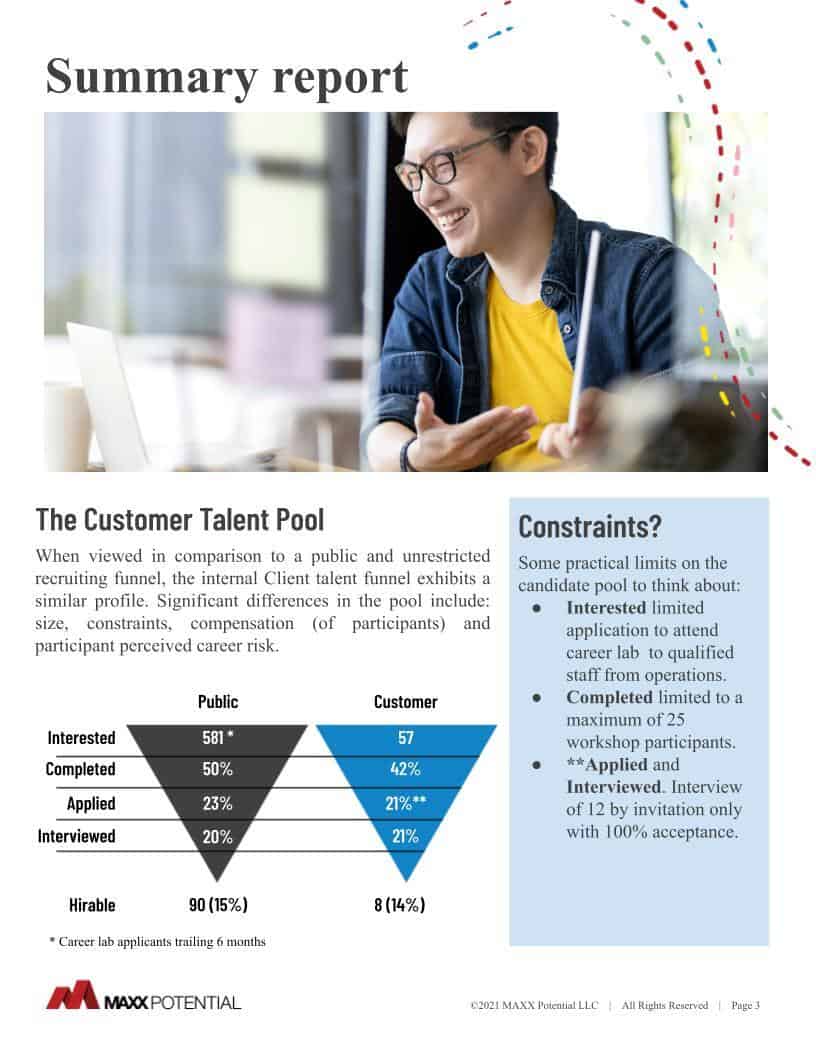
At MAXX Potential, we use Career Lab as a starting point for people who are interested in advancing or starting a career in technology. Through a multi-session, hands-on workshop series, tech-interested individuals explore different areas of technology.

Clients have used the MAXX Potential Career Lab as part upskill and part testing ground for current team members to learn and apply for IT roles within their company. Upskilling their team means that the company isn’t taking a chance on someone new.

Tech Apprenticeship Increases Employee Retention and Loyalty

In a report on apprenticeship, the Department of Labor noted that 94% of workers who completed an apprenticeship program were hired, and their 3-year retention rate is 89%. At MAXX Potential, Apprentices solve Customer problems, fill in the gaps, and pave the way for continued Customer success.

The payoff is amazing for apprenticeship program participants and employers. Research shows that apprentices triple their income and transform their lives while organizations gain workers who remain on the team for longer than the average hire. 

Gone are the days where workers stayed with companies for their entire careers; however, studies have revealed that workers stay when they feel that their companies invest in them.

Tech Apprenticeship is a Win for Apprentices, Employers, and Cities

Apprenticeship is an amazing opportunity for cities and communities of people because it offers an alternate route to gaining skill and experience in specific industries. Earn-while-you-learn work empowers individuals to pursue a career pathway and lifestyle that may have been out of reach via traditional education.

People from all walks of life and background can pursue an apprenticeship and corresponding career pathway. Apprenticeship becomes a talent pipeline as a service that can serve individuals, companies, and communities. Meanwhile, employers achieve more diversity and the corresponding higher-than-average financial performance.

As each person learns on the job, they strengthen their skill set for the specific role, filling talent gaps and tailoring their skills to the specific organization. Apprenticeship as a talent pipeline accelerator means your company taps all potential candidates alongside more traditional hiring tools.

The Future of Tech Talent is Apprenticeship

Apprenticeship keeps up with the rapidly evolving technology industry. Employers who use the apprenticeship model ensure that new workers are up to date in their technical skills. Apprentices get on-the-job experience, know the work culture, and understand technical work.

At MAXX Potential, we’re always iterating on our Apprenticeship program as a Talent Pipeline Accelerator so we can provide our Customers with smart and eager workers who will get the job done. Interested in hearing more about how we can transform your talent strategy with apprenticeship and building a strong candidate pipeline? Reach out MAXXpotential.com/contact.

MORE POSTS

Why Smart Leaders Focus on Output, Not Headcount

The Invisible Drag: Why Your Team Works Hard but Can’t Get Ahead

By MAXX Potential When Brad decided to build his career in IT, he knew he needed a blueprint. What he didn’t know was that his

Fast-Track to Success: Leveraging Apprenticeships as a Talent Pipeline Accelerator

Unlocking Potential for Future Technologist Careers

By MAXX Potential

Fast-Track to Success: Leveraging Apprenticeships as a Talent Pipeline Accelerator

What if you could stop posting entry-level roles and build out a robust talent strategy to find and equip the workers you want for your team? Rather than hoping someone would apply to your company who would be the right fit, you knew you had a go-to group of skilled individuals who met your hiring criteria. 

Welcome to the idea of Apprenticeship as a Talent Pipeline Accelerator.

Tech Apprenticeship: The Talent Pipeline Accelerator

Hiring and attrition is costly. Companies spend two times the new hire’s salary to make one new hire, and this doesn’t have to be your company. This is where tech apprenticeship becomes an impactful solution. 

Apprenticeship allows your company to invest in future tech talent or upskill a current team for the evolving technology environment, developing a type of internal talent pipeline. This can be a great addition to the company’s current recruitment pipeline process. 

At MAXX Potential, we use Career Lab as a starting point for people who are interested in advancing or starting a career in technology. Through a multi-session, hands-on workshop series, tech-interested individuals explore different areas of technology.

Clients have used the MAXX Potential Career Lab as part upskill and part testing ground for current team members to learn and apply for IT roles within their company. Upskilling their team means that the company isn’t taking a chance on someone new.

Tech Apprenticeship Increases Employee Retention and Loyalty

In a report on apprenticeship, the Department of Labor noted that 94% of workers who completed an apprenticeship program were hired, and their 3-year retention rate is 89%. At MAXX Potential, Apprentices solve Customer problems, fill in the gaps, and pave the way for continued Customer success.

The payoff is amazing for apprenticeship program participants and employers. Research shows that apprentices triple their income and transform their lives while organizations gain workers who remain on the team for longer than the average hire. 

Gone are the days where workers stayed with companies for their entire careers; however, studies have revealed that workers stay when they feel that their companies invest in them.

Tech Apprenticeship is a Win for Apprentices, Employers, and Cities

Apprenticeship is an amazing opportunity for cities and communities of people because it offers an alternate route to gaining skill and experience in specific industries. Earn-while-you-learn work empowers individuals to pursue a career pathway and lifestyle that may have been out of reach via traditional education.

People from all walks of life and background can pursue an apprenticeship and corresponding career pathway. Apprenticeship becomes a talent pipeline as a service that can serve individuals, companies, and communities. Meanwhile, employers achieve more diversity and the corresponding higher-than-average financial performance.

As each person learns on the job, they strengthen their skill set for the specific role, filling talent gaps and tailoring their skills to the specific organization. Apprenticeship as a talent pipeline accelerator means your company taps all potential candidates alongside more traditional hiring tools.

The Future of Tech Talent is Apprenticeship

Apprenticeship keeps up with the rapidly evolving technology industry. Employers who use the apprenticeship model ensure that new workers are up to date in their technical skills. Apprentices get on-the-job experience, know the work culture, and understand technical work.

At MAXX Potential, we’re always iterating on our Apprenticeship program as a Talent Pipeline Accelerator so we can provide our Customers with smart and eager workers who will get the job done. Interested in hearing more about how we can transform your talent strategy with apprenticeship and building a strong candidate pipeline? Reach out MAXXpotential.com/contact.

MORE POSTS

Why Smart Leaders Focus on Output, Not Headcount

The Invisible Drag: Why Your Team Works Hard but Can’t Get Ahead

By MAXX Potential When Brad decided to build his career in IT, he knew he needed a blueprint. What he didn’t know was that his